
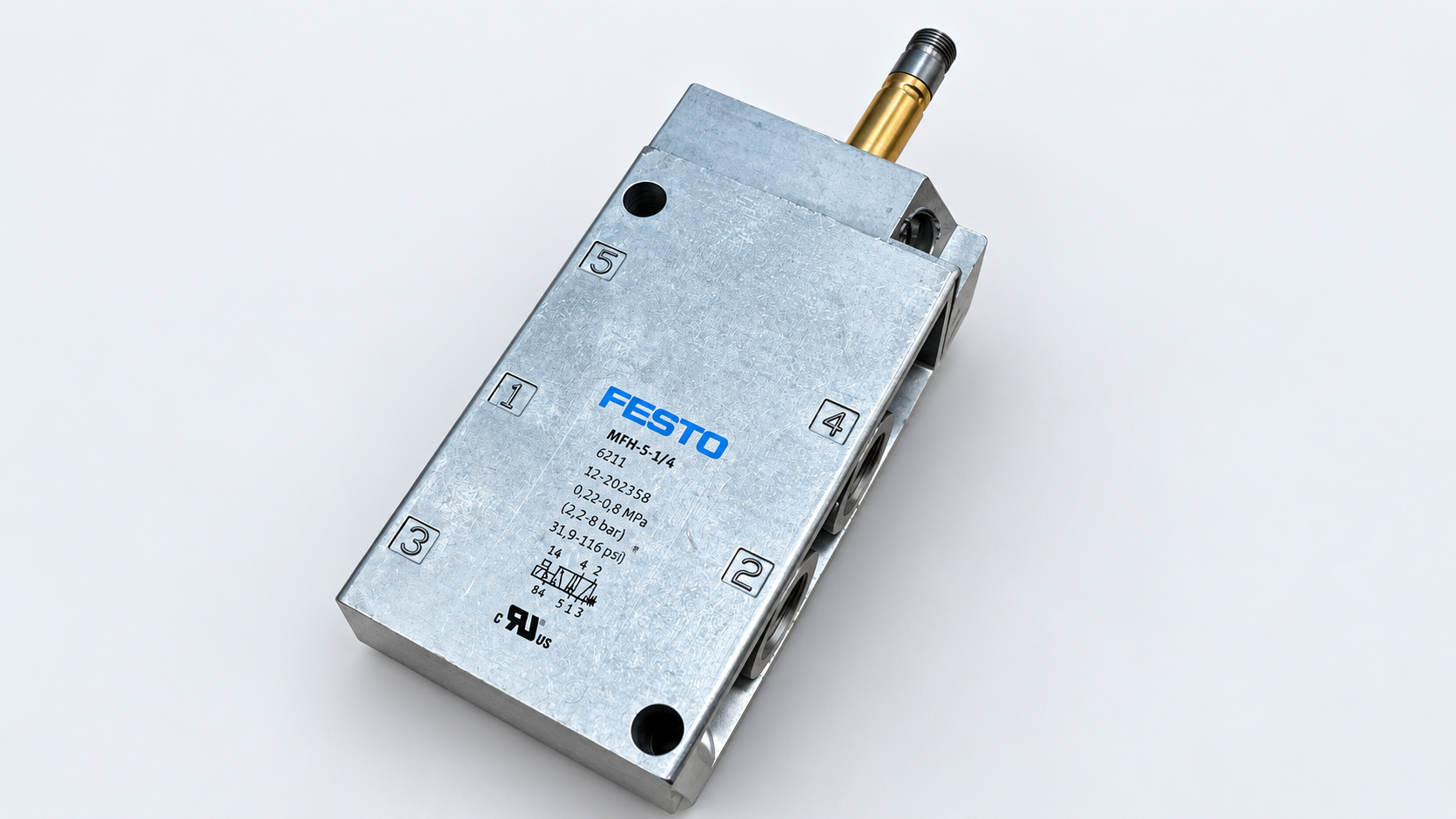
How to Select Pneumatic Valves for Industrial Automation Applications
Pneumatic valves are essential components in industrial automation, but selecting the right valve is not only about choosing a port size or voltage. In a real machine, the valve affects cylinder speed, air consumption, maintenance requirements, and overall production reliability. A suitable choice starts with the application, the actuator, and the available air supply rather than a model number alone.
Start with the Machine Function
The first question is what the valve needs to control. A single-acting cylinder often uses a 3/2-way valve, while a double-acting cylinder commonly uses a 5/2-way valve. A 5/3-way valve may be needed when the cylinder must stop, hold position, or exhaust air at the center position.
Before selecting a valve, confirm whether the actuator is single acting or double acting, whether the machine needs two or three positions, and what should happen if power is lost. These details are more useful than choosing a valve only by its appearance.
Check Airflow, Port Size, and Connections
Working pressure is important, but airflow is equally important. A valve, fitting, or tube that is too small can restrict air supply and make a cylinder move slowly or inconsistently. This is especially noticeable when several cylinders operate at the same time or when the tube run is long.
Check the full air path before making a decision: the air preparation unit, valve port size, fittings, pneumatic tubes, and cylinder connection should work together. Common thread standards include G, NPT, and PT, so confirming the thread type early can prevent installation problems later.
Air Quality Is Part of Valve Selection
Clean and stable compressed air helps pneumatic valves operate reliably over time. Water, oil, dust, and rust particles can affect seals and pilot passages, leading to slow switching, leakage, or early failure.
Air Preparation Units are therefore an important part of a pneumatic system. A suitable filter and regulator help protect pneumatic valves, cylinders, sensors, fittings, and other industrial automation components. When lubricated air is already used in a system, the maintenance practice should remain consistent unless the component requirements have been checked carefully.
Confirm Electrical Requirements and Operating Conditions
For solenoid valves, the electrical specification must match the control system. Common options include DC24V, DC12V, AC110V, and AC220V. Always confirm the coil voltage, connector type, protection requirement, and whether the application needs an indicator light or surge protection.
The operating environment also matters. Moisture, dust, vibration, high temperature, chemicals, and outdoor installation can all affect the valve choice. A compact directional valve may be suitable for general machine automation, while dust collection equipment may require pulse jet valves and process applications may need a different valve design and sealing material.
Prepare the Right Information Before Requesting a Quote
A model number is useful, but it is not always enough to identify the correct replacement valve. For a faster and more accurate quotation, provide the existing brand and model, clear photos of the valve and coil label, port size, thread type, voltage, working pressure, medium, quantity, and a short description of the machine application.
For a new project, the cylinder bore, stroke, required speed, and control method are often more important than the appearance of the valve. These details help avoid incorrect orders and reduce delays during installation.
Select Pneumatic Components as a Complete System
A pneumatic valve should be selected as part of a complete system rather than as an isolated component. Pneumatic valves, air preparation units, fittings and tubes, cylinders and actuators, sensors, and control components must work together to achieve reliable machine performance.
YOUPH Automation supplies pneumatic, hydraulic, and industrial automation components for manufacturers, distributors, and system integrators. If you need help matching a replacement valve or selecting components for a new application, please prepare the available technical information and contact our team for support.
Final Selection Checklist
Before ordering a pneumatic valve, confirm the valve function, operating pressure, required airflow, port size, thread standard, voltage, air quality, and operating environment. Taking a few minutes to verify these details can prevent incorrect orders, unnecessary downtime, and installation changes later.